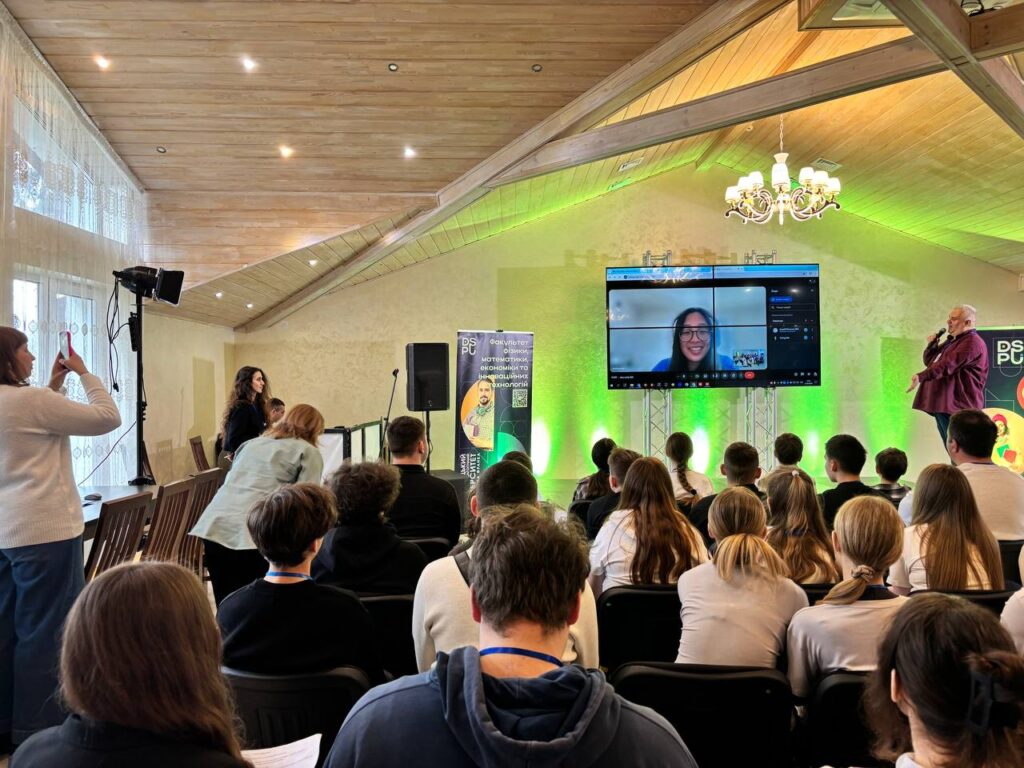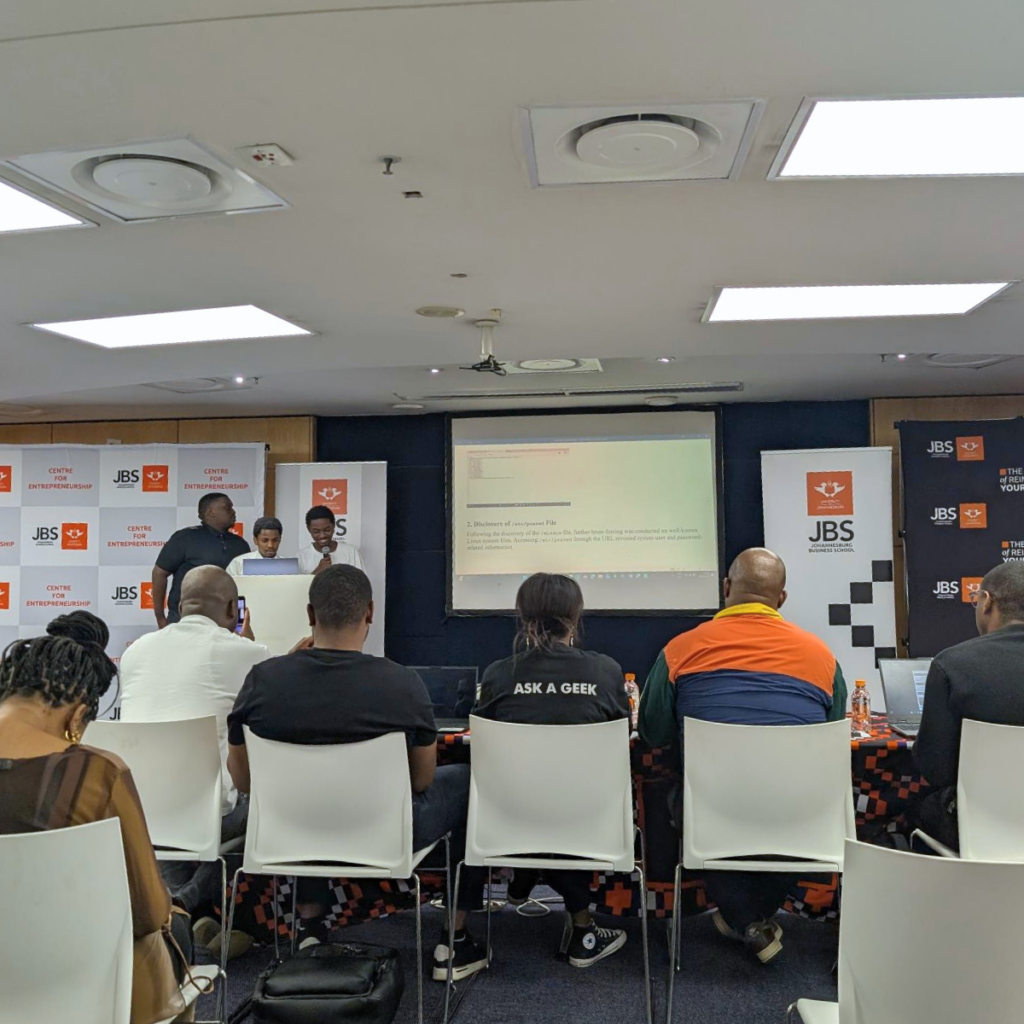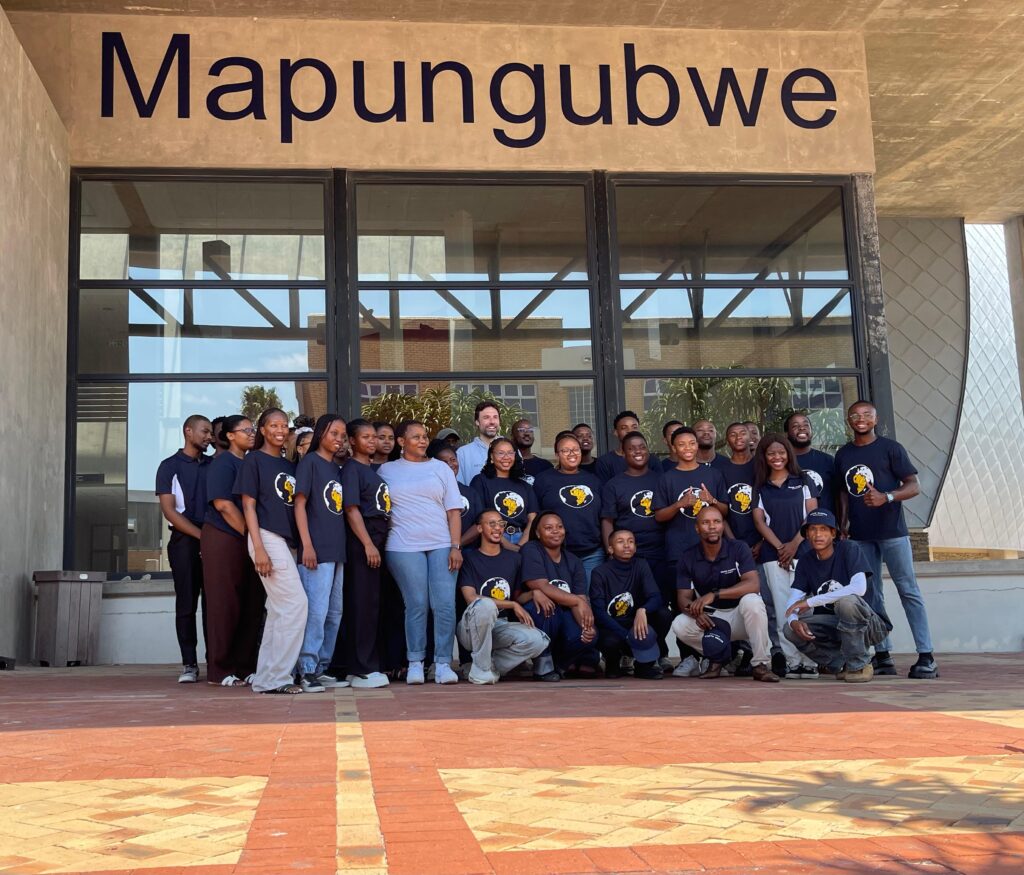
EDI (equity, diversity, and inclusion) is a core part of the Google.org Cybersecurity Seminars. After planning their EDI components of their programs individually, participating universities of the Seminars met in person to discuss their strategies for the first time at the first Annual Networking Event in Málaga in November 2024.
In Málaga, Alina Meyer, Virtual Routes’ EDI Consultant, held a workshop to discuss best practices and key issues in this area, as well as provide a platform for participating universities to share their questions. The discussion was centred on Virtual Routes’ publication, A Guide on Equality, Diversity and Inclusion (EDI) in Cybersecurity Education. This initial workshop has evolved into a dynamic series of peer-led sessions, practical examples, and joint learning spaces designed to make realistic changes visible and actionable across the program.
At the first virtual EDI session in June 2025, Alina revisited core concepts such as the difference between equality and equity, “do no harm,” and the role of humour and humility in navigating difficult conversations. Universities reflected on their progress since Málaga and shared practices that have supported more inclusive learning environments. These included:
- collecting anonymised feedback through adaptive surveys and mentoring to tailor learning environments;
- promoting interdisciplinary cohorts that integrate students from diverse academic and socio-economic backgrounds;
- adopting gender-inclusive recruitment strategies, sometimes through proactive measures to close representation gaps; and
- building confidence among underrepresented groups, especially women in tech, by creating classroom environments where every voice can speak and be heard.
These early conversations set the tone for a second virtual session in September. That session emphasised the importance of making tangible progress on chosen achievable goals/indicators, rather than being paralysed by the pursuit of perfection.
Nina Schwanke (Technical University of Munich) shared how they are embedding inclusion at every stage of curriculum development. Their program expands accessibility by offering courses in multiple languages, removing participation fees, providing access to laptops, and prioritising respectful classroom environments. Nina also noted the power of visible representation, such as including more women speakers, to shift culture and create belonging.
From Johannesburg Business School, Carol Keshy and Lakhe Daweti presented an EDI strategy focusing on young professionals in South Africa’s rural areas. This strategy highlights how digital and cybersecurity training can be used as tools for socio-economic mobility. Lakhe stressed how JBS has embedded EDI principles throughout the program, from recruitment through to mentorship and ongoing support, as well as including geographic diversity amongst our conceptions of diversity.
The conversation then turned to impact measurement. Sylva Talpová (Masaryk University) shared their approach to developing EDI indicators grounded in organisational goals and staff engagement. She pointed to the value of a shared knowledge base and agreed indicators to track progress and drive accountability, while acknowledging that changes in culture and inclusion can involve changes that go beyond standard metrics.
Finally, the Google.org Cybersecurity Seminars not only trains students, but also requires students to put their skills into practice in the real world, by improving the cybersecurity of Local Community Organisations (LCOs). At the annual networking event this November, the focus will turn to how EDI priorities align with LCO engagement. This conversation will explore how inclusive practices can be embedded not only in classrooms and training programmes but also in how students engage with LCOs.
Overall, what emerges from these EDI sessions is the importance of peer-to-peer collaboration and building a community of practice, with universities drawing inspiration from one another and sharing successes together. Across both sessions, a few truths continue to surface: inclusion cannot be treated as an add-on; sometimes unexpected events force us to re-evaluate and adapt; and change takes time, reflexivity, and persistence. The momentum is growing for the Google.org Cybersecurity Seminars program to reshape how cybersecurity education reaches and reflects the world it serves.