Artificial intelligence is no longer a distant prospect for Europe’s labour markets. It is already shaping how people are hired, how tasks are performed, and how organizations think about skills, productivity, and risk. The real question is no longer whether AI will change work, but how Europe can steer that change in ways that strengthen resilience, competitiveness, and social cohesion.
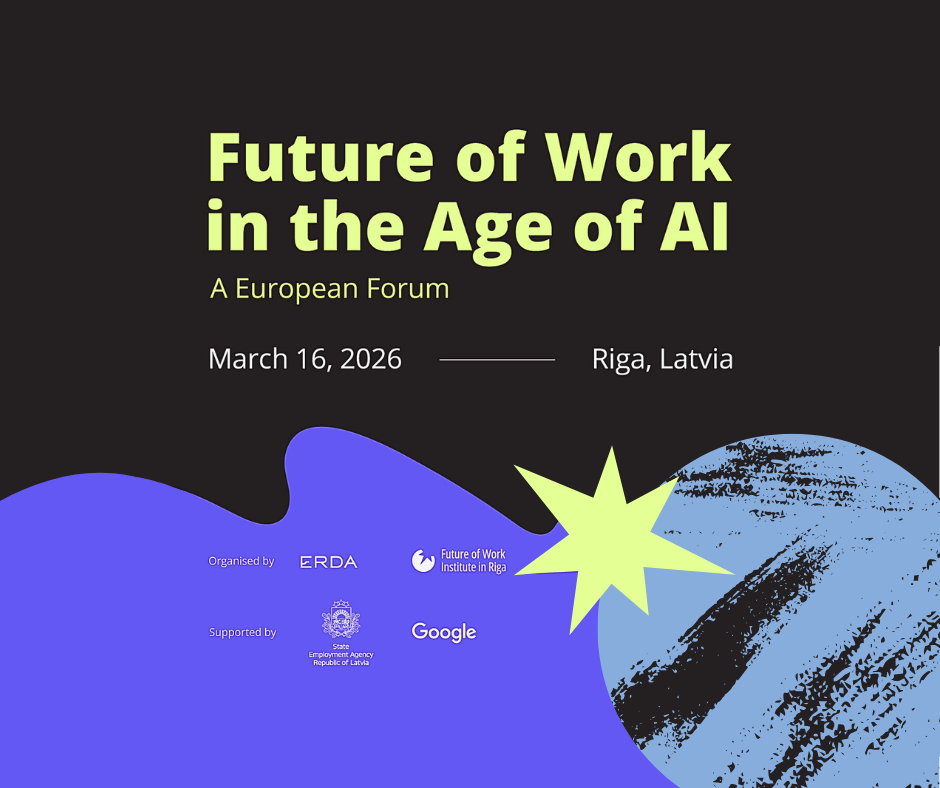
The Future of Work in the Age of AI, taking place on 16 March 2026 in Riga, arrives at the right moment. Across Europe, policymakers and practitioners are grappling with similar challenges: how to align education with fast-changing skill demands, how to include those at risk of being left behind, and how to ensure that digital transformation supports economic security rather than undermining it. These are not abstract debates. They affect public services, private sector strategy, and the everyday prospects of workers across sectors.
The forum’s focus on practical solutions is particularly important. Discussions on AI and work often drift toward either hype or fear. What is needed instead are grounded exchanges on what works: which training models help adults reskill, how organizations can build internal capacity, and how governments can design policies that encourage innovation while protecting people. Bringing together leaders from government, business, academia, and civil society creates the conditions for that kind of exchange.
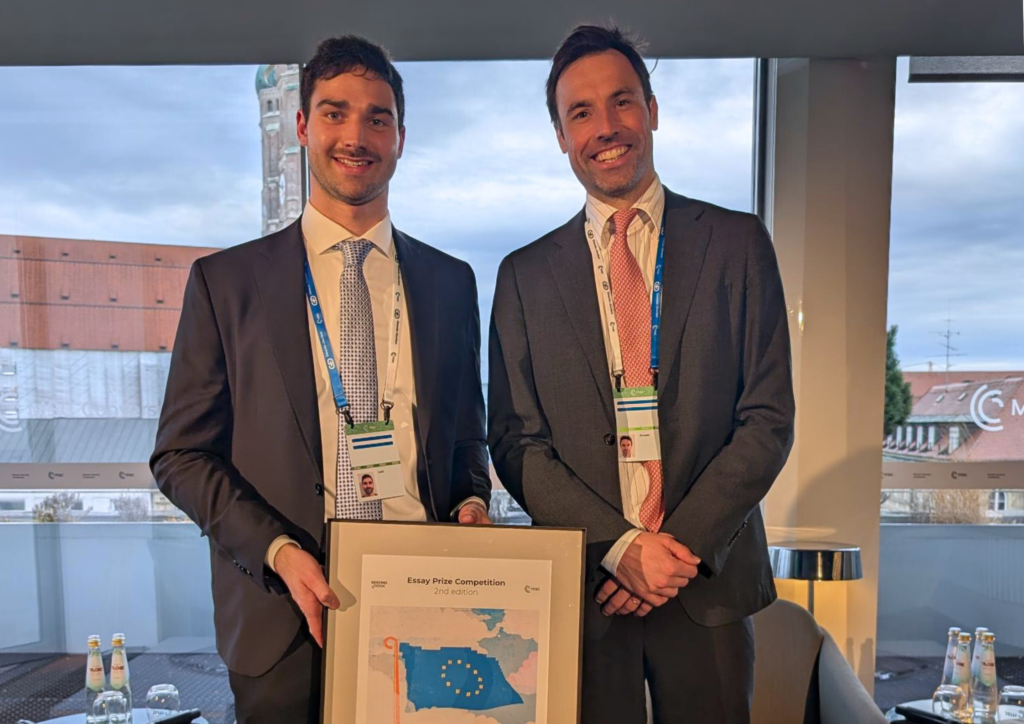
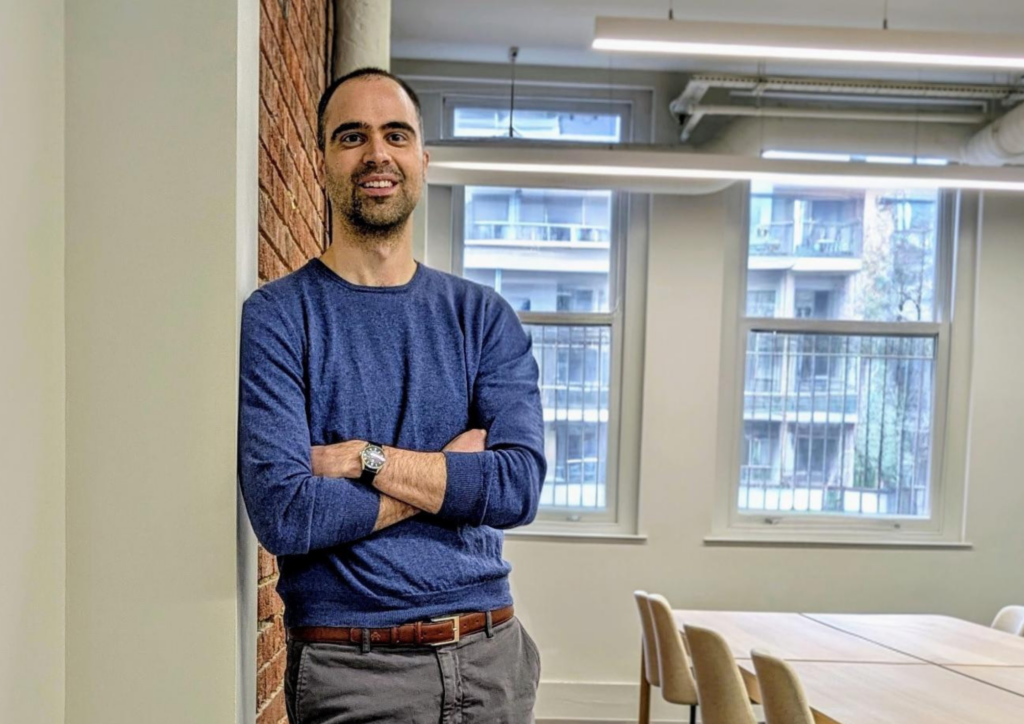
Virtual Routes will be part of this conversation. Co-Directors James Shires and Max Smeets will attend, speak, and moderate at the forum, contributing perspectives from their work on cybersecurity, emerging technologies, and public policy. As AI becomes embedded in critical systems and core business processes, questions about workforce readiness and digital resilience increasingly overlap. Preparing people for the future of work also means preparing institutions to operate securely and responsibly in an AI-enabled environment.
They will be joined by a wide range of senior policymakers, researchers, industry leaders, and civil society representatives from across Europe and beyond. That diversity is part of the forum’s strength: the future of work is not a single-sector issue, and solutions rarely come from one community alone.
For those working on skills, technology policy, education, or workforce development, this is a timely opportunity to engage with peers facing similar questions across Europe.
Registration details and further information are available here: https://www.futureofworkeurope.org/