During a visit to Nelson Mandela University (NMU) as part of the Google.org Cybersecurity Seminars Program, Max Smeets met with staff and students involved in delivering the programme locally. The seminars program follows a common approach across participating universities: students receive practical training in cybersecurity and AI, and then apply that training by working with local community organisations.
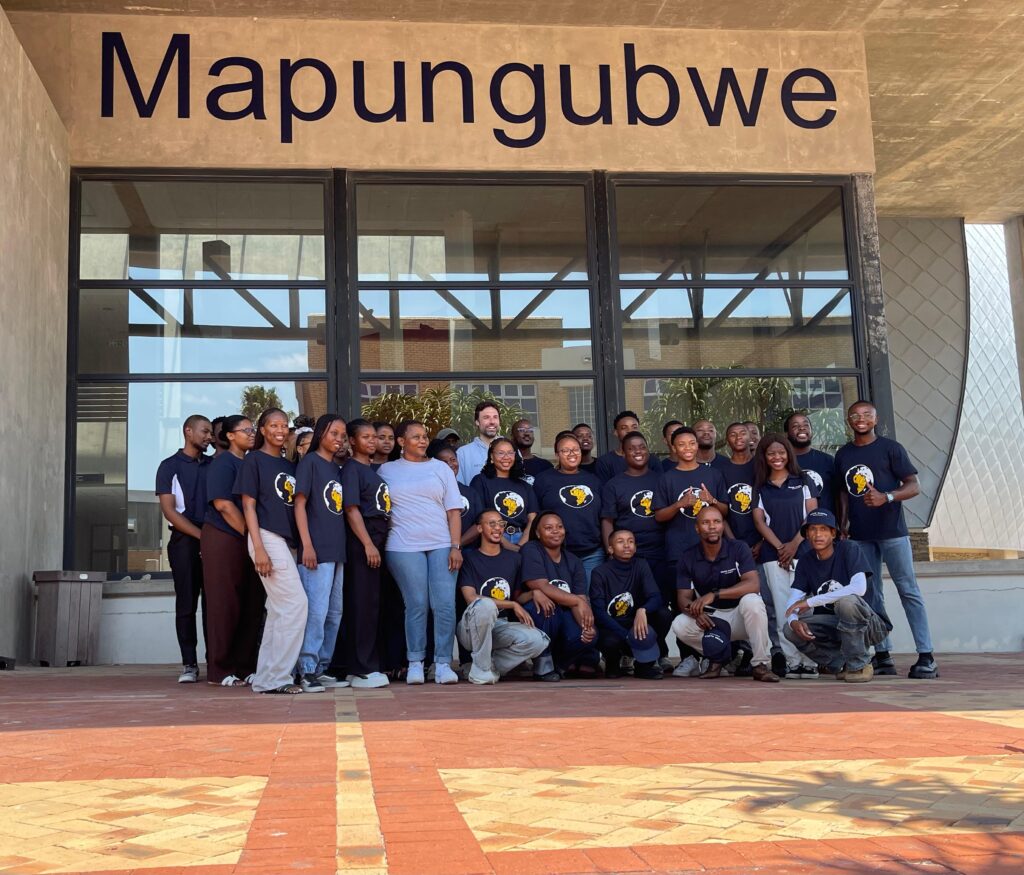
At NMU, this work is being rolled out by the university’s Africa Hub for Youth Entrepreneurship and Social Innovation, bringing together students from engineering, law, business, humanities, and science.
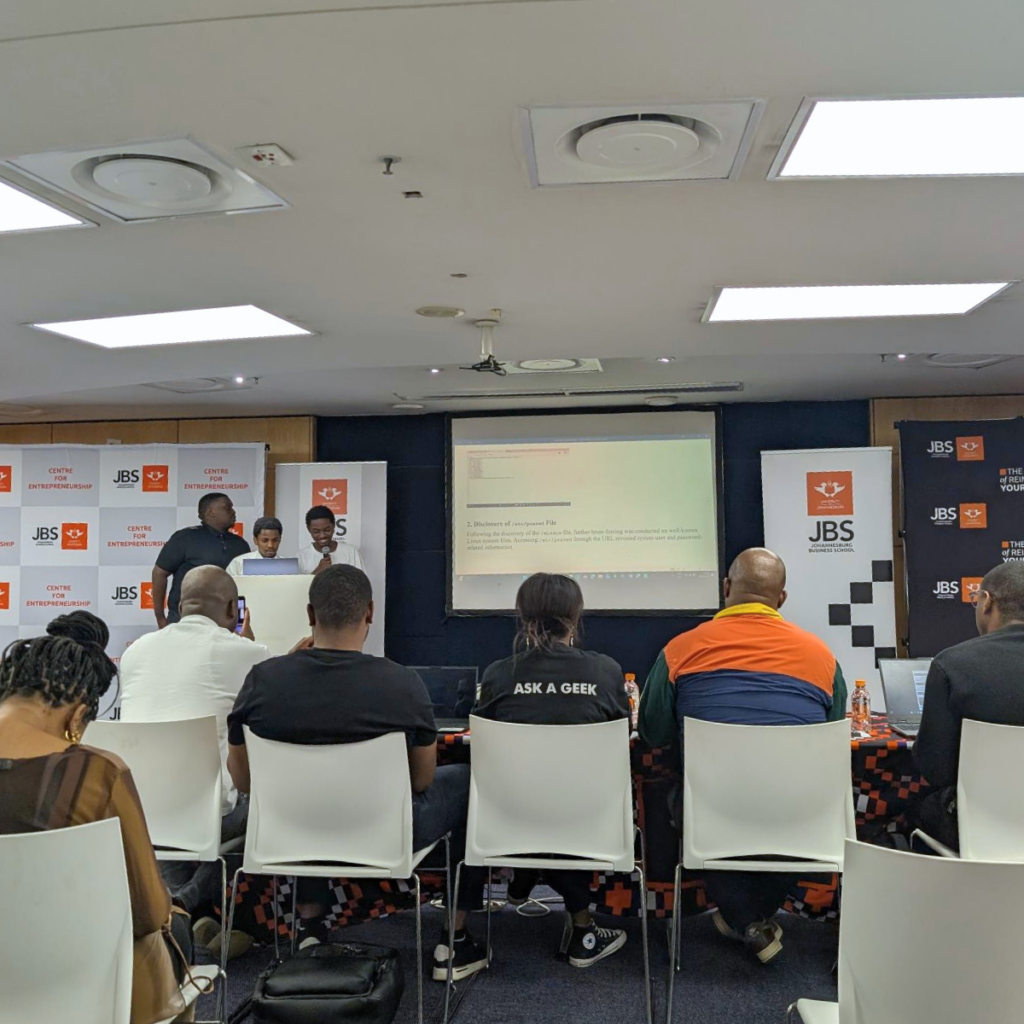
After a meeting with the staff team, the visit continued with student presentations. Two teams shared the outcomes of their work, each partnering with a different type of local organisation. Despite the differences in mission and setting, the challenges they encountered were strikingly similar.
The first team worked with a small, community-based initiative providing food and support to local residents. Its day-to-day operations relied on a handful of aging devices, shared passwords, and locally stored files. A recent theft had already led to the loss of a laptop, underlining how easily essential information and continuity of services could be disrupted.
Rather than proposing complex technical fixes, the students focused on practical steps: improving password practices, enabling two-factor authentication, and moving key documents to secure cloud storage. Physical security was treated as part of cybersecurity – discussing where devices are stored, how they are locked, and how to reduce theft risks. The team also explored how a basic online presence could improve visibility with donors and partners without significantly increasing exposure.
The seminars program follows a common approach across participating universities: students receive practical training in cybersecurity and AI, and then apply that training by working with local community organisations.
The second team partnered with a long-established residential care home serving elderly residents in the surrounding community. The organisation had almost no digital infrastructure. One shared laptop was no longer functional, most records existed only on paper, and internet access was unreliable. Staff relied on personal phones, and the organisation had no online presence.
Here, the students framed cybersecurity as a prerequisite for growth rather than an added burden. Moving some operations online could help attract donors, volunteers, and support – but only if sensitive resident information was properly protected. Their recommendations centred on restoring basic hardware, digitising records with access controls, and introducing simple tools for communication and coordination that required minimal training.
Together, the presentations illustrated how the seminars program translates training into real-world impact. They also highlighted a recurring lesson across participating universities: when digital capacity is limited, small changes matter. And effective advice often combines digital measures with physical ones – sometimes starting with something as simple as knowing where to store a device at the end of the day.