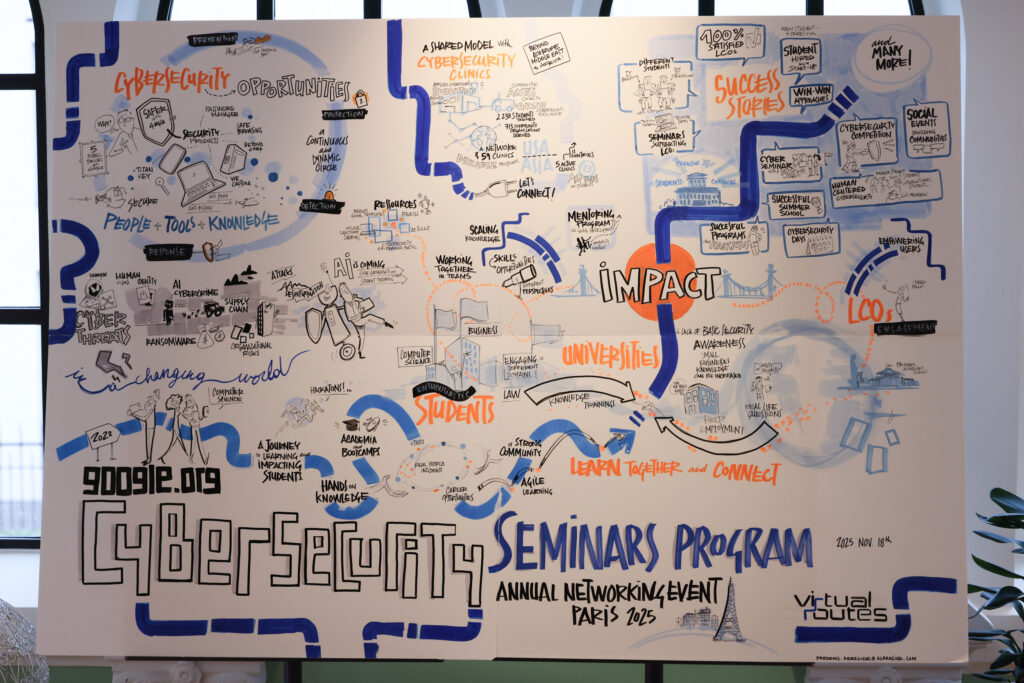
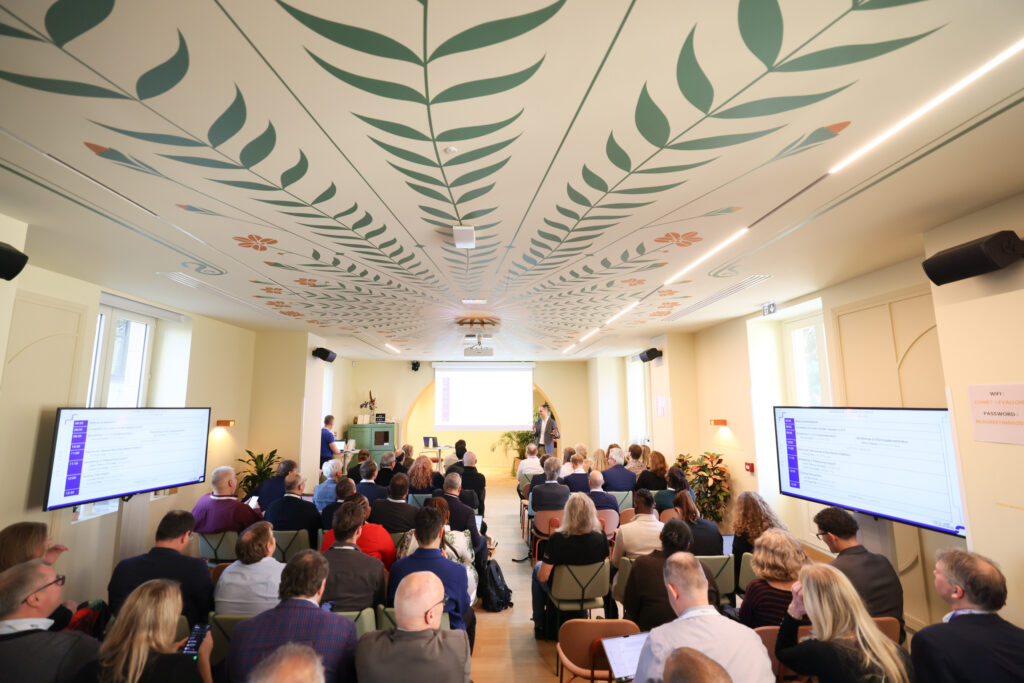
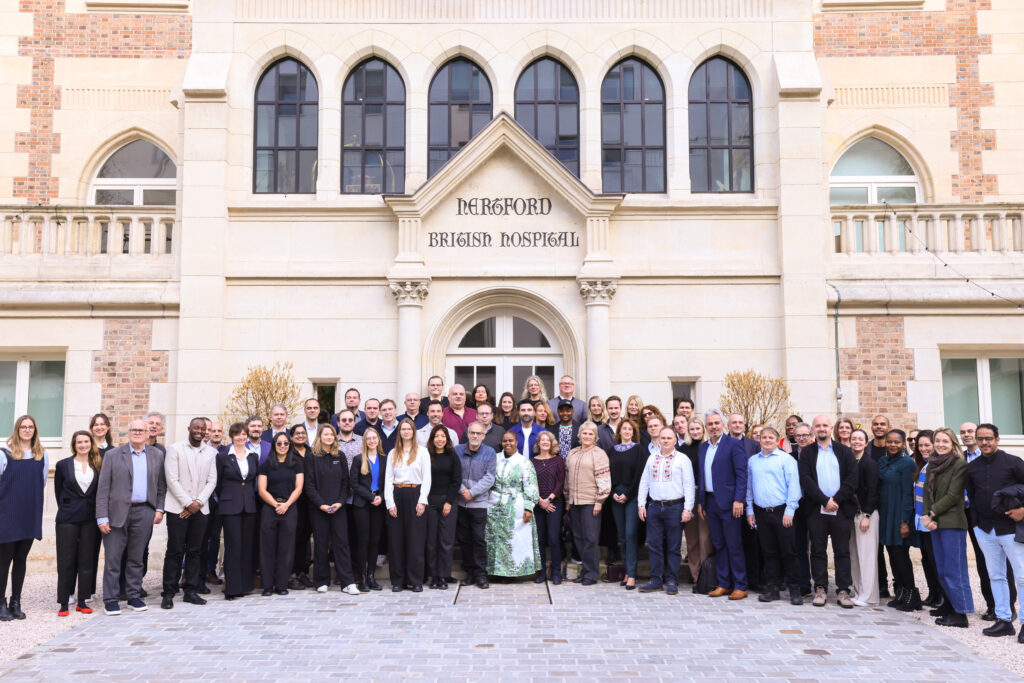
On 18 and 19 November in Levallois, Paris, Virtual Routes hosted the second networking event for universities participating in the Google.org Cybersecurity Seminars program. This two-day event featured a variety of sessions to support universities across Europe, the Middle East and Africa (EMEA) in delivering diverse educational programs tailored to their local contexts. Despite this diversity, all programs share two key components: first, practical cybersecurity and AI training for students, and, second, cybersecurity assistance by those students to their local communities.
The agenda revolved around short success stories from the first year of the program. For the training component, many Cybersecurity Seminars have been highly oversubscribed, with universities in the enviable position of selecting the most suitable students while also prioritising students from underrepresented backgrounds in cybersecurity. For the component on local community engagement, universities highlighted how their first achievement is to show such organizations that they are never too small to begin their cybersecurity journey, and there are simple steps that can help protect everyone online.
We were honoured to open the event with a keynote from Patrice Duval, Head of Customer Engineering for Google Cloud Security EMEA. We were also pleased to be able to connect the Seminars program in EMEA to sister initiatives worldwide, with updates on the Consortium of Cybersecurity Clinics in the US and Asia from Matt Nagamine and Gill Thomas respectively.
To support universities in their upcoming local community engagements, the event included interactive, open discussions on outreach strategies and equality, diversity, and inclusion in engagement, by Max Smeets and EDI consultant Alina Meyer respectively, as well as a highly informative workshop on measuring impact delivered by Juliet Tiffany-Morales from Google.org’s Impact and Reporting team.
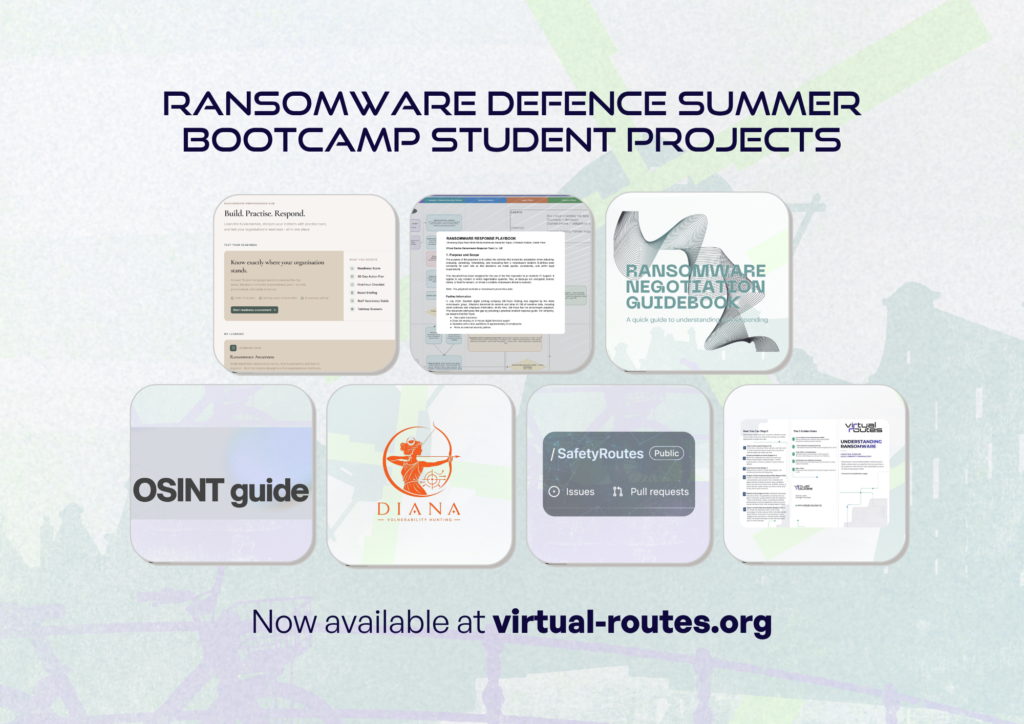
The event also served as the perfect opportunity to launch new Virtual Routes educational resources, as well as refreshing existing ones. Apolline Rolland presented the Virtual Routes AI-Cybersecurity Toolkit, with case studies, discussion questions, and relevant readings for AI in cyber offence and cyber defence. Yu-Ying Mak provided an update on the Reach monitoring and evaluation platform, as well as dedicated online introductory courses, an AI-cybersecurity readings portal, and a range of helpful guides and reports.
Overall, this event enabled us to take stock collectively of an incredibly impressive journey so far, with much to be proud of and many successes to celebrate. However, participants also recognized that the journey has much further to go, with both student training and local community engagement continuing – and, in some cases, expanding – in the coming years. This event is a key milestone along the way, but it is more importantly a platform for sharing best practices and resources, making productive personal connections, and ultimately increasing educational outcomes and impact in the future.