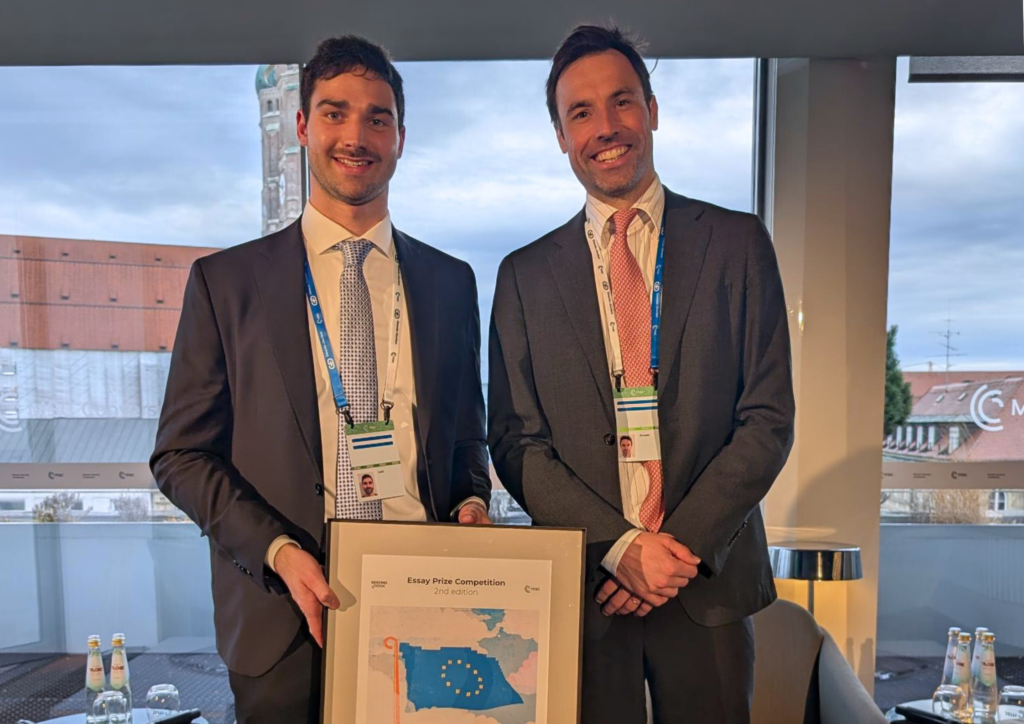
On Monday 16 March in Riga, Latvia, Virtual Routes was proud to participate in a landmark, Europe-wide forum on the Future of Work in the Age of AI. Both Virtual Routes Co-Directors spoke during a high-paced and energetic day full of exciting ideas, new data, and – crucially – an emphasis on accessibility and inclusion for all.
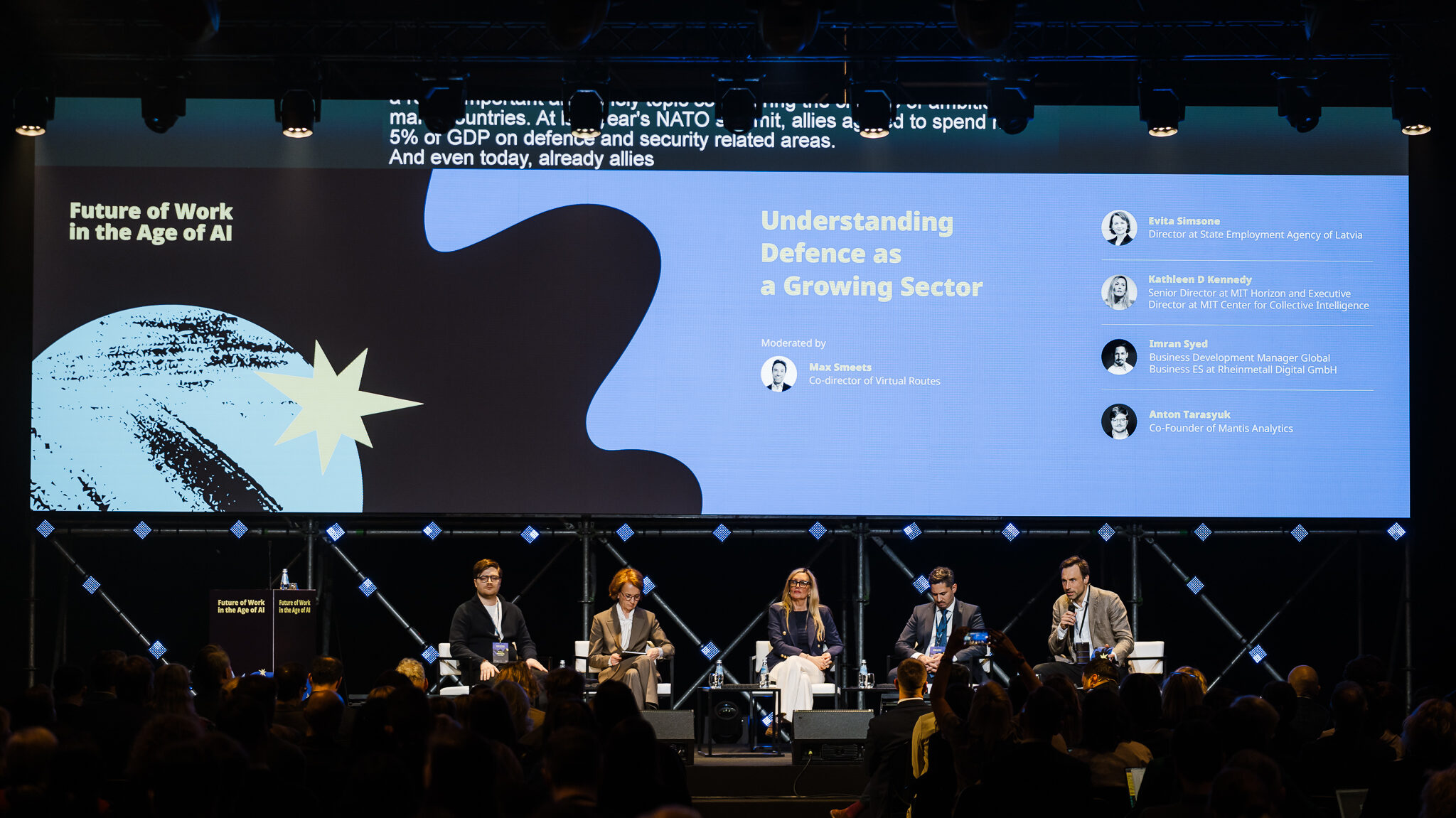
Max chaired a panel on “Understanding Defence as a Growing Sector”, with panelists from industry and government addressing the ongoing paradigm shift in European defence. Across Europe, Russia’s full-scale invasion of Ukraine and tensions with the US have posed challenges to NATO cohesion and assumptions about transatlantic cooperation and resource-sharing.
In response, European countries have invested more in defence, recognizing that this investment must be accompanied by technological innovation, including AI. While sovereign military and national security requirements will impose constraints on European integration of defence tech, there is no realistic alternative. Defence ministries and governments must look closely at their current tech stack and processes from procurement to logistics to war fighting, conducting evidence-based assessments of where AI can add most value and investing accordingly.
The panel also explored the knock-on effects of this defence investment on the wider civilian economy, noting that previous technological eras have seen extensive spillover and AI is, if anything, far more “dual use”. European militaries already rely extensively on tech shared between military and civilian sectors, as well as open source software, and this intersection is likely to grow massively for AI, increasing potential benefits and risks.
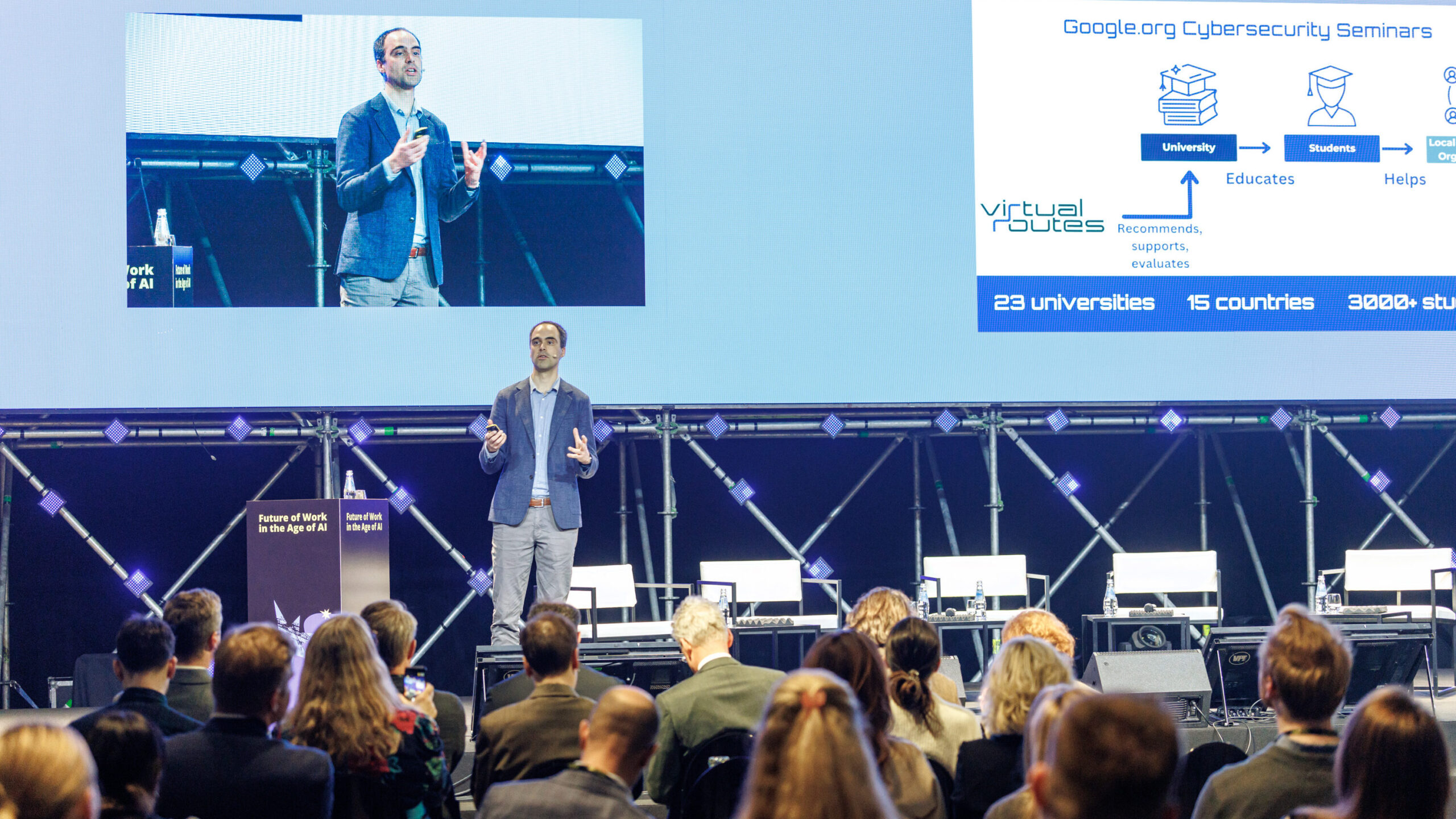
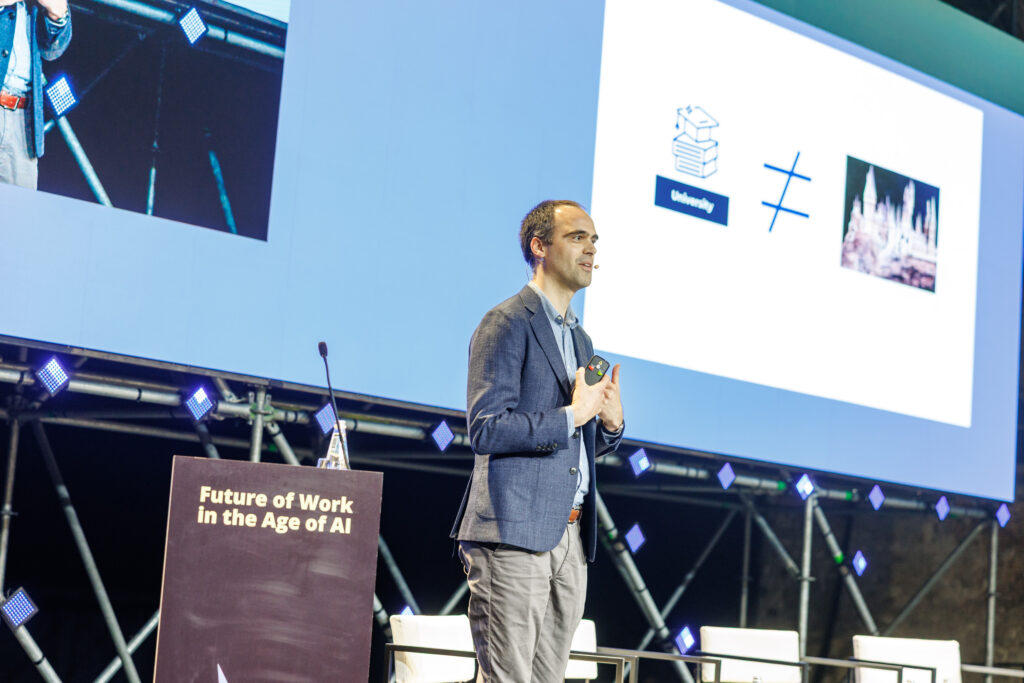
James gave a keynote on “New Learning Models Made in Europe”, focusing on the case study of the Google.org Cybersecurity Seminars. This program, now in its second year, works with universities across Europe and the wider EMEA region to implement hands-on, practical cybersecurity education for students from underrepresented backgrounds.
James highlighted three elements of the program that stand out from its progress so far. First, how it empowers passionate people to work through or around university bureaucratic structures that can inhibit the introduction of new learning models. Second, how it enables students to overcome cybersecurity fears by focusing on risk-aware confidence regarding new technologies – including AI. And third, how universities in the program, from Ukraine to South Africa, have effectively adapted it to their local context to capture student interest and motivate students towards cybersecurity careers.
Virtual Routes works extensively on community building, early career support, and student education in an environment that is rapidly being reshaped by AI. Forums like this are essential to provide a platform for European voices on the advantages and risks of AI, and – as speakers throughout the day noted – to underline that all technologies, including AI, are fundamentally tools that should work for the benefit of those using them, rather than the other way around.